

Moving from Cluj-Napoca to Brno felt strangely familiar. Even though the two cities are located in different countries, they share a very similar energy: strong student communities, growing IT industries, vibrant cultural life, and the constant comparison with their capitals.
In the Czech Republic, people often debate Prague vs Brno. In Romania, the comparison between Bucharest and Cluj-Napoca never really stops either. Both cities are seen as ambitious, modern, and fast-developing urban centers that attract young people from all over their countries, and increasingly from abroad as well.
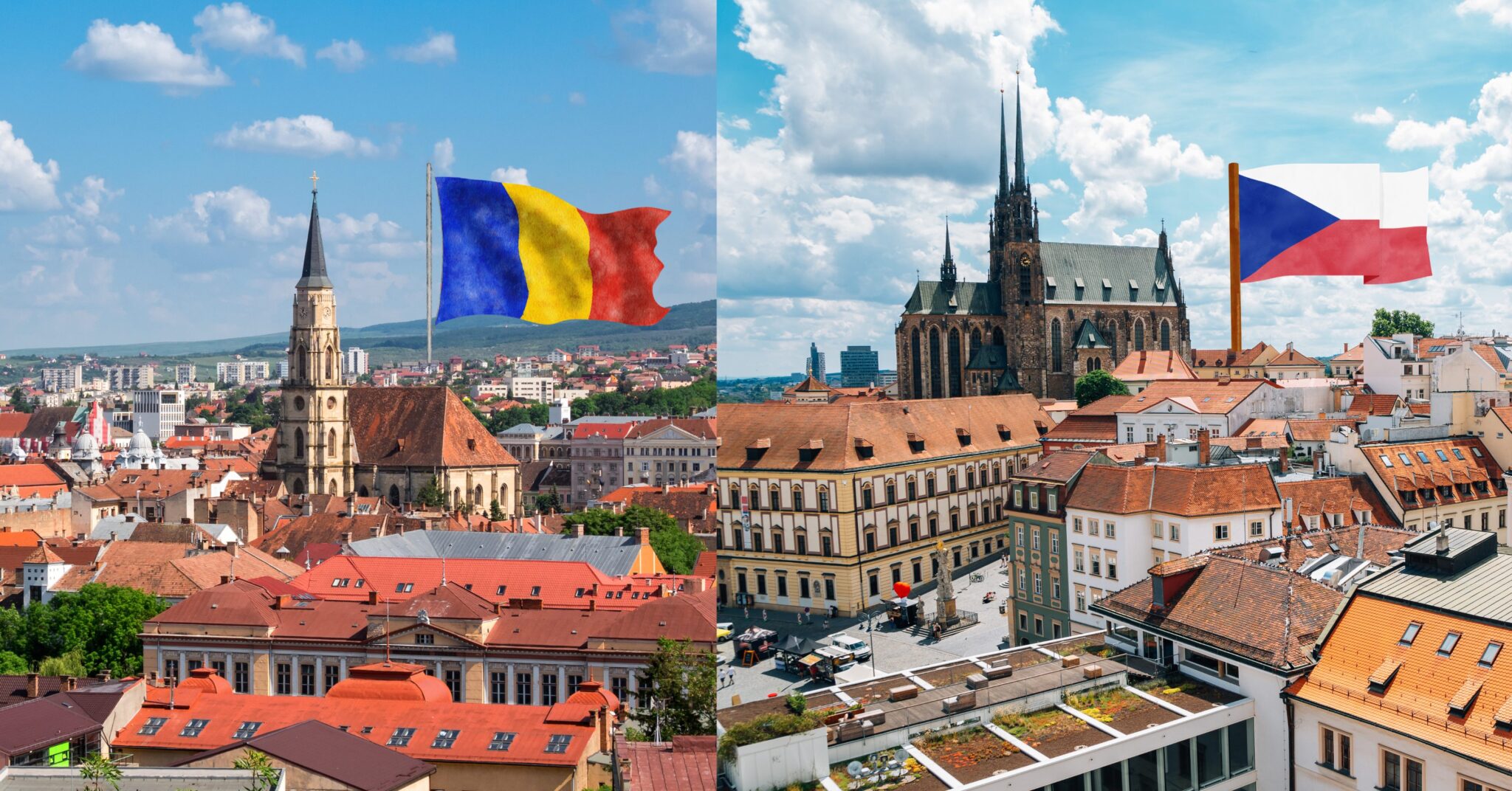
As someone originally from Cluj-Napoca and now living in Brno, I started noticing how many similarities exist between these two Central European cities, but also a few important differences that shape everyday life in completely different ways.
Two Strong University Cities
One of the biggest similarities between Brno and Cluj-Napoca is their university culture.
Both cities attract thousands of students every year, including a growing number of international students through Erasmus programs and English-language degrees. This creates a youthful atmosphere that influences almost every aspect of city life.
Brno is home to major universities such as Masaryk University and Brno University of Technology, while Cluj-Napoca is known for Babeș-Bolyai University, the Technical University of Cluj-Napoca, and the Iuliu Hațieganu University of Medicine and Pharmacy, one of Romania’s most respected medical universities.
Because of this, both cities have:
- international communities
- active nightlife
- student-friendly cafés and public spaces
- multicultural events
- a constantly evolving social scene
In both places, it is normal to hear multiple languages while walking through the city center or sitting in a café.
Technology and IT Development
Another major connection between Brno and Cluj-Napoca is the strong presence of the IT industry.
Cluj-Napoca has become one of Romania’s biggest technology hubs, often referred to as the “Silicon Valley of Romania.” Over the last decade, many international companies opened offices there, while local startups and tech communities expanded rapidly.
Brno has a similar role in the Czech Republic, especially in software development, cybersecurity, engineering, and research.
In both cities, the technology sector has influenced:
- job opportunities
- international migration
- salary growth
- office development
- housing demand
This is one of the reasons why both cities continue attracting young professionals from abroad.
A Similar Urban Atmosphere
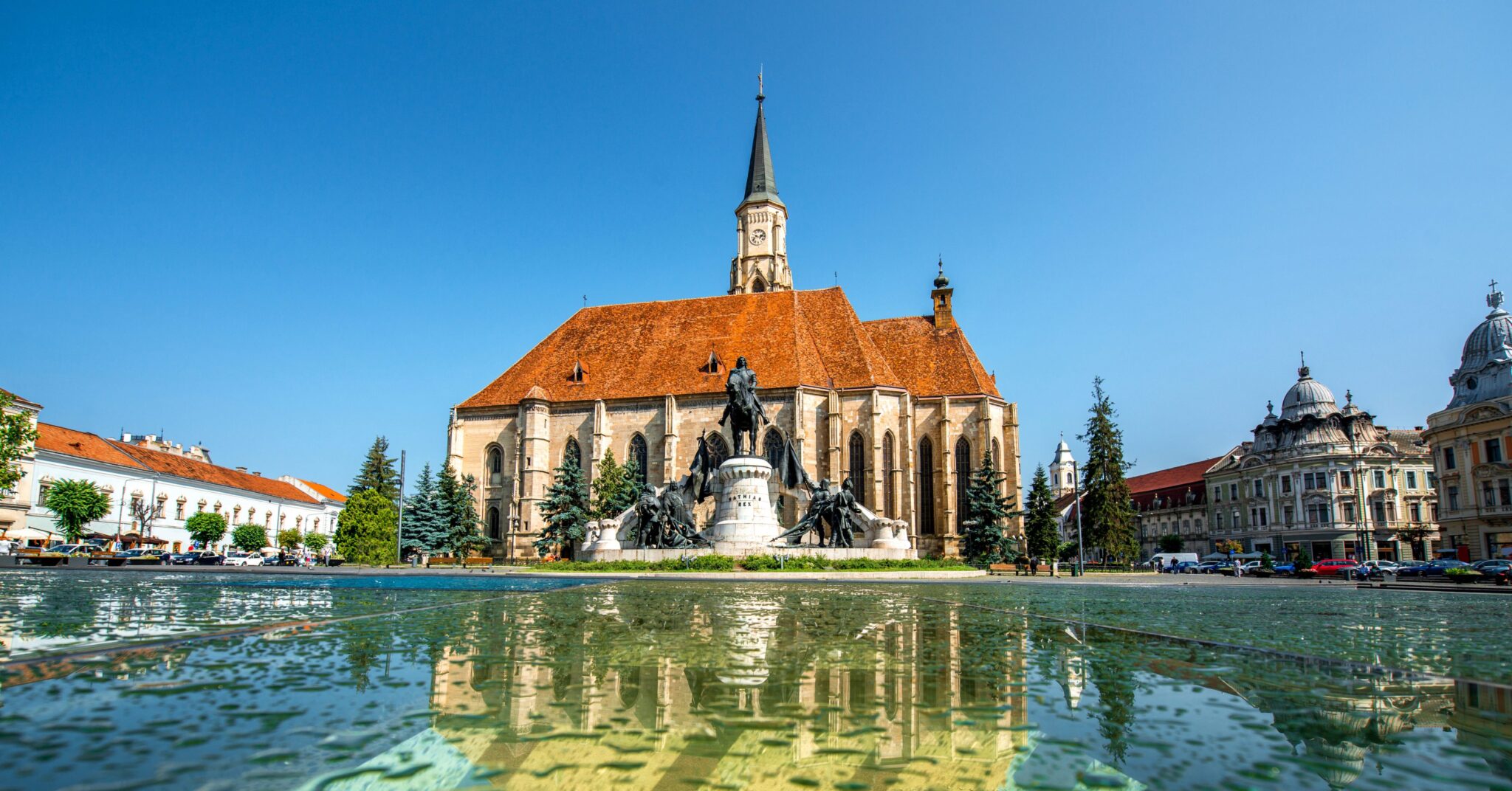
One of the strongest similarities between Brno and Cluj-Napoca is their cultural atmosphere.
Both cities have vibrant creative scenes shaped heavily by artists, international communities, and large public events throughout the year.
Cluj-Napoca became internationally known for major festivals such as the Untold Festival, one of the biggest electronic music festivals in Europe, the Electric Castle, Jazz in the Park and the Transilvania International Film Festival (TIFF), Romania’s most important film festival.
These events transformed Cluj into a major cultural destination during the summer and attracted visitors from all over Europe.
Brno has a different cultural style, but the city is equally active throughout the year. Events such as the opera and music festival, , the festival, and the bring international artists and audiences into the city every year.
What makes both cities special is that culture feels integrated into everyday life rather than limited to tourist areas. During spring and summer, public squares, parks, cafés, and city centers constantly host concerts, outdoor cinema screenings, food markets, and community events.
Even though neither city is the capital, both Brno and Cluj often feel more creative, youthful, and culturally alive than the larger cities they are constantly compared to.
The Biggest Difference: Traffic and Public Transport
The most noticeable difference between Brno and Cluj-Napoca is transportation.
Cluj-Napoca developed extremely quickly in recent years, but infrastructure struggled to keep pace with the expansion. Areas like Florești became heavily overcrowded, and traffic turned into one of the city’s biggest problems.
Although Cluj invested in electric buses and modernized parts of the public transport system, daily traffic congestion remains difficult for many residents.
Brno feels very different in this regard.
The tram network is the backbone of the city’s public transport system and helps traffic move much more efficiently. Compared to Cluj, getting around Brno often feels faster, more organized, and far less stressful.
One thing that stands out in Brno is how easy it is to live without a car. The city is highly walkable, public transport is reliable, and trams connect most important areas smoothly.
After living in both cities, this difference becomes impossible not to notice.
Cost of Living and Everyday Life
Comparing living costs between Brno and Cluj-Napoca is not always straightforward.
At first glance, rent prices in Brno may appear higher, especially for newcomers from Romania. However, many people from Cluj feel that everyday life became increasingly expensive compared to average local salaries.
Cluj-Napoca is often considered the second most expensive city in Romania after Bucharest, especially in terms of housing and daily expenses.
In both cities, the growth of the IT sector and increasing international demand influenced the housing market significantly over the years.
Different Pace, Different Feeling
Another important difference is the overall pace of life.
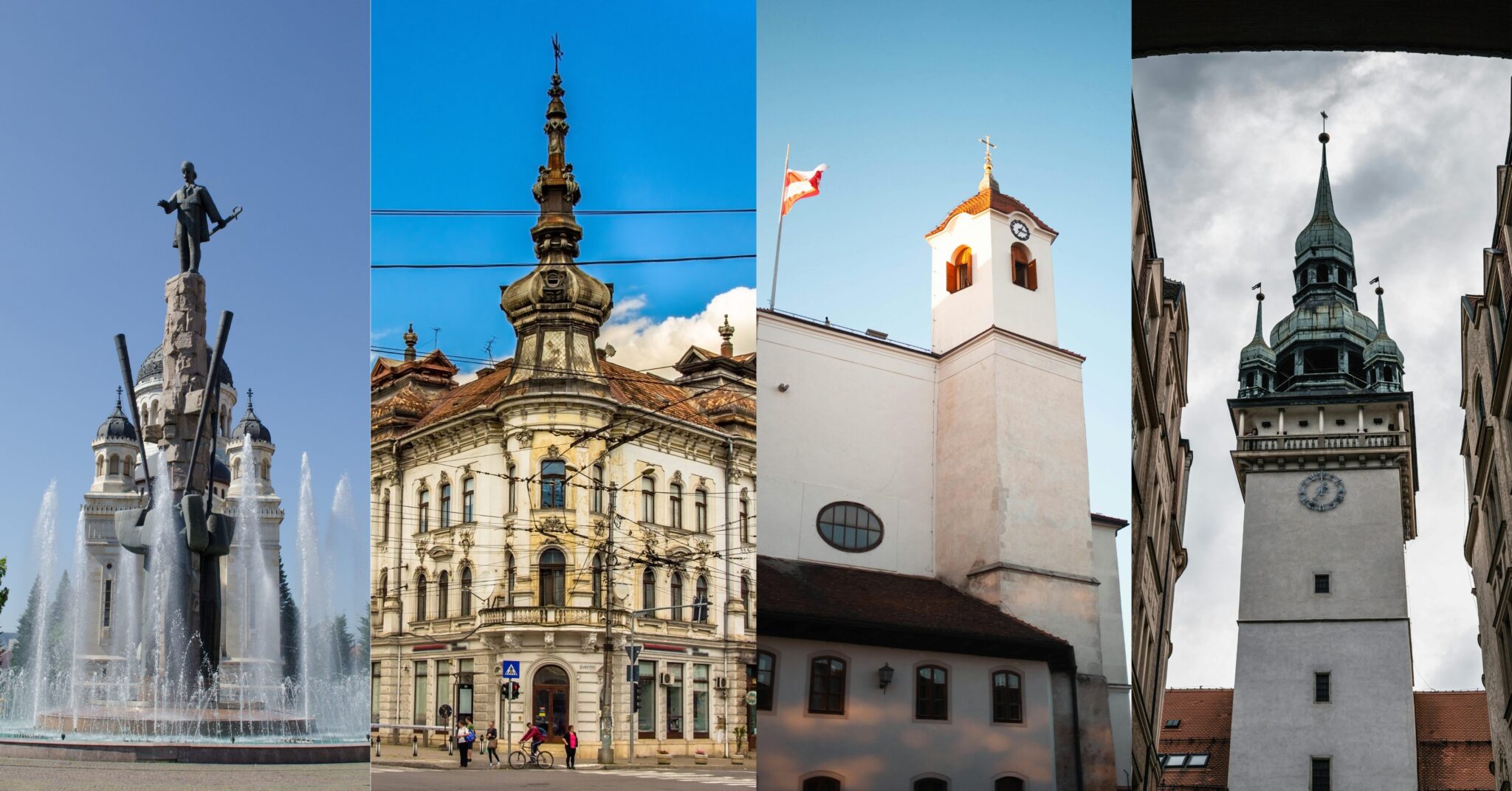
Cluj-Napoca often feels more intense, more crowded, and more competitive. Brno, on the other hand, feels calmer and more balanced in everyday situations.
One thing that surprised me after moving to Brno was how much less stressful daily movement feels. Even during busy hours, the city rarely feels overwhelming in the same way Cluj sometimes does.
That slower rhythm can make a big difference for international students, expats, and professionals moving abroad for the first time.
Finding Familiarity Abroad
Living in Brno often reminds me of Cluj-Napoca, just with less traffic and a slightly calmer pace of life.
Both cities are ambitious, student-oriented, internationally connected, and strongly influenced by the technology sector. They share the same youthful energy and the same desire to grow beyond the shadow of their capitals.
Have you ever visited Cluj-Napoca? If not, maybe it deserves a spot on your future travel list you might end up understanding why so many people compare it to Brno.
Source of Photo: Canva
Source of Text: blog.foreigners.cz/underground-spots-for-music-and-events-in-unexpected-places, blog.foreigners.cz/why-brno-a-smart-choice-for-international-students, visitcluj.ro
